UGC ads guide

UGC ads: build the proof before you write the script.

A UGC ad uses customer or creator-style material inside paid creative. The useful version is specific about who made the footage, what the viewer can verify, what the brand may claim, and what permission covers the ad.

This guide uses real Viraal drafts as production examples. They are not campaign results, and no performance outcome is implied.

Hook

Earn attention with one situation the next shot can answer.

Body

Show the product, experience, or evidence behind the line.

Close

Give one next action that matches what the viewer just saw.

Start with the source

Three things get called a UGC ad.

They can look similar in the feed, but the rights, disclosure, and evidence are different. Name the source before choosing the creative treatment.

01

Customer-created UGC

An existing customer makes the original post.

Useful when the real experience and the person behind it are the reason to believe.

Check: Permission to repost is not automatically permission to edit, run paid media, or use the content forever.
02

Commissioned creator ad

A brand pays a creator to produce content for organic or paid use.

Useful when the ad needs a real demonstration, voice, face, or first-person delivery.

Check: The brief and agreement should cover usage, duration, territories, edits, raw footage, exclusivity, and disclosure.

03

UGC-style brand creative

The brand makes the creative using the visual language of a creator post.

Useful for product demos, founder observations, memes, slideshows, and text-led posts.

Check: Do not present an actor, employee, or invented line as an independent customer testimonial.

Worked examples

Four ad jobs. Four different kinds of proof.

These are real Viraal outputs reviewed as production material. The useful question is not whether they “look like UGC.” It is whether the opening, evidence, and next action belong together.

Creator reacting in disbelief in a Viraal Hook and Demo draft

Example 1 · Hook + Demo

Turn an unusual product rule into a visible reveal.

Hook
“Since when do we have to do pushups to get on Instagram?”
Body or proof
The next shot shows the app adding twelve minutes after the exercise is completed.
Edit before publishing
Keep the handoff immediate. The line already creates the question, so the body only needs to show the receipt.
Opening frame from a real Viraal relationship slideshow draft

Example 2 · TikTok slideshow

Teach one idea through a swipeable sequence.

Hook
“How do you eat so much and look like that?”
Body or proof
Breakfast, lunch, dinner, and snack cards answer the opening with the same visual grammar.
Edit before publishing
Verify every nutrition value. If the data cannot be sourced, remove it and keep the sequence qualitative.
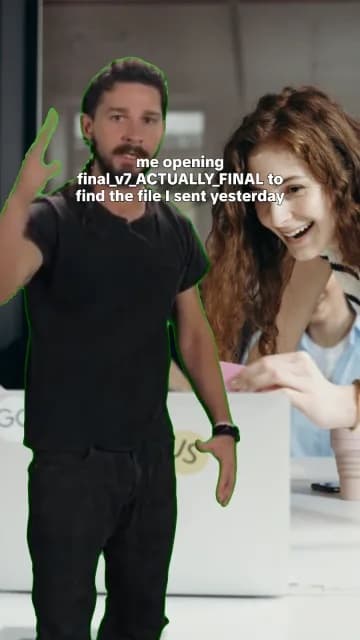
Real Viraal green-screen meme draft about searching for the latest final file

Example 3 · Green-screen meme

Earn recognition before introducing the product.

Hook
A familiar “which final file is actually final?” moment.
Body or proof
This format supplies recognition rather than product proof. The landing page or next creative must carry the product claim.
Edit before publishing
Rewrite the filename as conversational copy. Underscores and version numbers are useful only while they remain readable at feed speed.
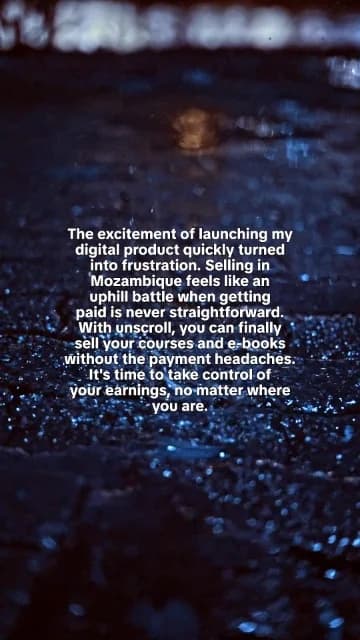
Real Viraal wall-of-text draft over a dark rain background

Example 4 · Wall of text

State one founder or customer observation in full.

Hook
A specific tension that is worth pausing to read.
Body or proof
The background supports tone; the words carry the argument. Any product result still needs separate evidence.
Edit before publishing
Cut the draft to one tension and one ending. A paragraph that also explains features and asks for a click is doing three jobs.

A creator brief that can survive production.

A mood, three adjectives, and “make it viral” do not tell a creator what must be true on screen. Fill these fields before scripting.

  1. 01Audience momentName the situation, not a demographic: “opens three apps before starting the task.”
  2. 02One belief to changeWrite what the viewer should believe after the ad, in one sentence.
  3. 03HookCreate a question, tension, reaction, or result the next shot can answer.
  4. 04Required footageList the exact face, product angle, screen action, or before/after needed.
  5. 05ProofIdentify what makes the claim visible: a screen state, measurement, ingredient, workflow, or real experience.
  6. 06Claim sourceLink the product record, test, policy, or approved language that supports each factual claim.
  7. 07Rights and disclosureRecord who owns the footage, paid usage terms, music rights, and the disclosure that must appear.
  8. 08Next actionChoose one action that matches the ad: see the demo, compare, start, or buy.

Rights, disclosure, and claim review

  • Confirm who owns the video, images, voice, music, and screen recording.
  • Record paid-media usage, duration, territory, editing, raw-footage, and exclusivity terms.
  • Put a clear material-connection disclosure with the endorsement where viewers can notice it.
  • Make sure a first-person experience is real and every objective claim has evidence.
  • Review names, notifications, customer data, logos, and other private material visible on screen.

A test that teaches you something

Keep one body, proof shot, offer, audience, and landing page. Make three openings that express different reasons to continue: a problem, an unexpected discovery, and a result. Change only the opening in the first test.

Problem hook
Discovery hook
Result hook

Read the metrics in order: did the opening hold attention, did the body earn the click, and did the landing page produce the intended action? A click-through winner with weak downstream activation may be promising the wrong thing.

Build from footage you can use

Turn a licensed hook and your product recording into one clear draft.

Viraal can assemble Hook + Demo videos, slideshows, memes, and text-led posts. It does not generate a talking-head customer or grant usage rights to footage you do not own.