Product demos
Product demo video scripts for 15, 30, and 60 seconds
A short product demo script starts with a result the viewer can see. Write the screen action and the line together: if the line promises a booked appointment, the recording must reach a confirmation. The 15-, 30-, and 60-second scripts below are illustrative briefs for fictional apps. Replace the product action, wording, and timing with your real recording before publishing.
Write the visible result before the opening line
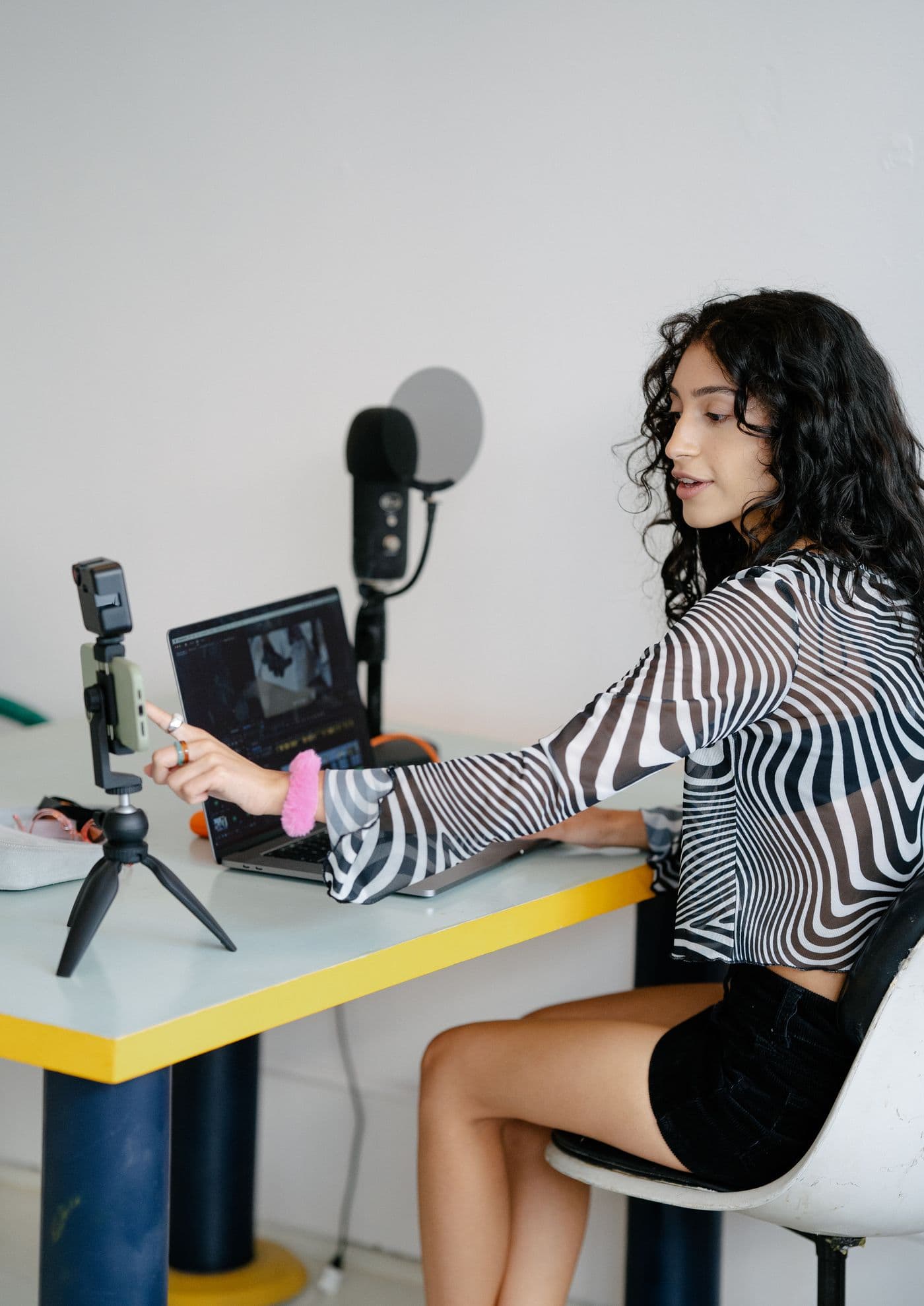
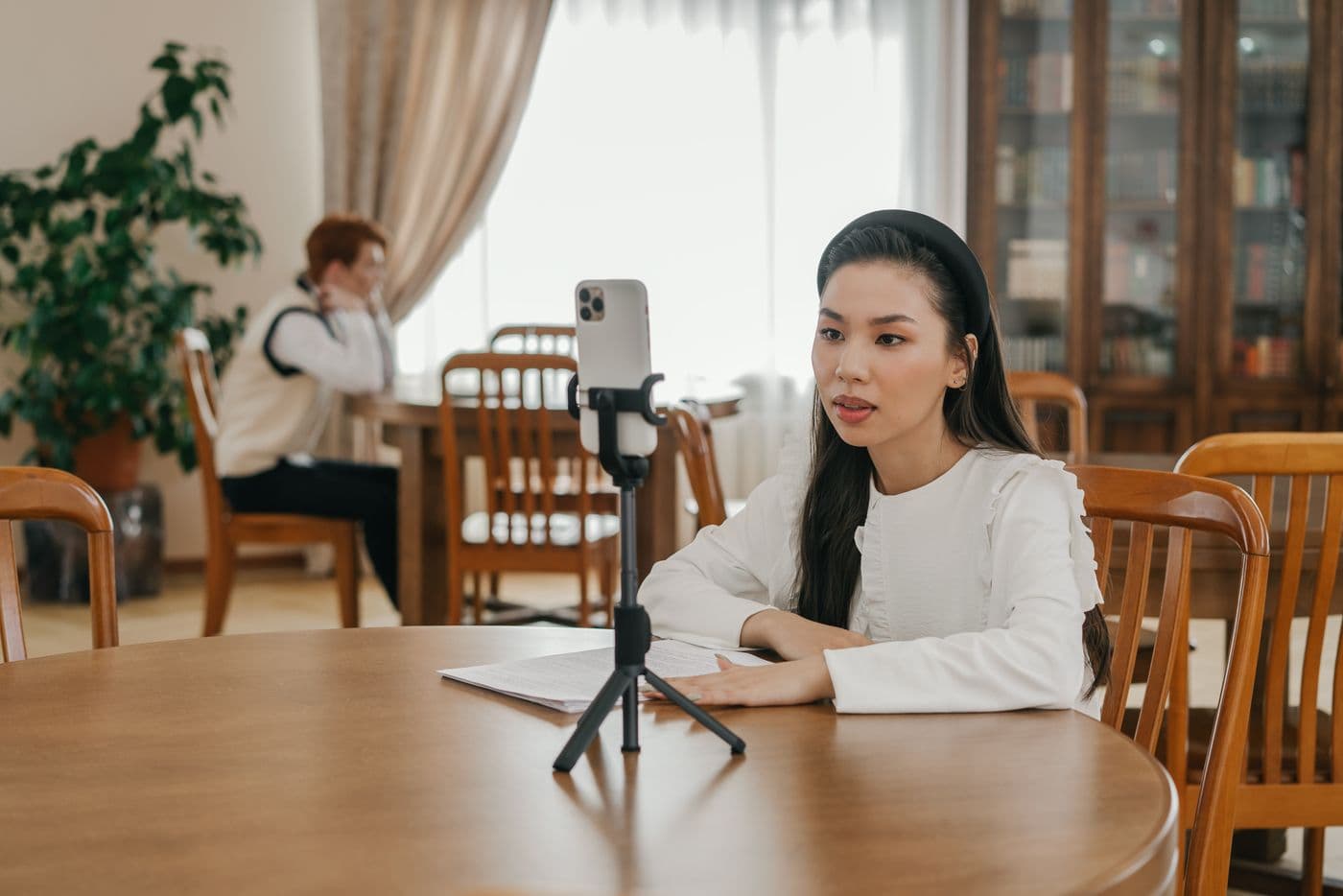
Record a single successful run through the product with a sample account. Remove notifications and customer data, and keep the cursor or finger near the action being discussed. Find the frame that proves the result. Then write a first line that makes that frame worth reaching.
TikTok’s creative guidance describes a hook, body, and close and recommends showing the product in use. That is a useful editing structure, not a guarantee of performance. In a short demo, the body is the actual tap, screen change, or physical action; a feature list spoken over unrelated footage is not a demonstration.
15 seconds: book one appointment
Illustrative product: a scheduling app with a real booking link and confirmation page. The opening asks about a familiar friction; the footage shows one complete booking. Start the screen recording with the booking page already open so the edit does not spend half its time navigating menus.
- 0–3s · Visual: a sample “What time works?” message. Voice: “Since when did booking a call need this many messages?”
- 3–7s · Visual: open the actual booking link and available slots. Voice: “I sent one link instead.”
- 7–11s · Visual: choose a slot and submit the booking. Voice: “They picked a time that was open.”
- 11–15s · Visual: hold on the confirmed event. Voice: “Now it is on the calendar. Here is the booking flow.”
30 seconds: find one saved receipt
Illustrative product: a receipt app that imports an image and saves it to a project. This version gives the viewer enough time to see the review step. It also shows where an extraction error could be corrected instead of pretending every input works perfectly.
- 0–4s · Visual: a sample receipt lost among phone photos. Voice: “The receipt is on my phone. The expense report needs it in a project.”
- 4–10s · Visual: import that receipt. Voice: “I add the same image here.”
- 10–17s · Visual: review merchant and amount, correcting any mistake. Voice: “I check what it read before I save.”
- 17–24s · Visual: choose a project, save, then open that project. Voice: “Then I put it where the team will look.”
- 24–30s · Visual: show the original receipt in the saved folder. Voice: “There it is. That is the full path from photo to project.”
60 seconds: turn a stock question into an answer
Illustrative product: inventory software that shows available stock and lets a staff member update a count. This is a good longer demo because the viewer needs to see the question, the source of truth, and the update. Use a sample SKU rather than a customer order or live inventory.
- 0–6s · Visual: a sample message asking if the blue size-M item is available. Voice: “Can we promise this item is in stock? Let’s check before answering.”
- 6–15s · Visual: search for that exact SKU. Voice: “I look up the variant, not just the product name.”
- 15–26s · Visual: show the current count and location. Voice: “This is the number the team sees right now.”
- 26–38s · Visual: make a sample count adjustment and show the saved state. Voice: “If a count changes, I record the correction here.”
- 38–50s · Visual: return to the SKU and show the updated number. Voice: “Then I check the item again before replying.”
- 50–60s · Visual: return to the question, with a sample reply drafted but not sent. Voice: “Now the answer comes from the item record, not a guess. See the workflow on your own catalog.”
Copy this script worksheet for another product
Fill the fields in order. Writing the hook last is often faster because the recording tells you exactly what can be promised. Keep the customer situation narrow enough to prove with one run through the product.
- Viewer’s task: “I need to [specific action] before [recognizable moment].”
- Proof frame: “[exact visible state that means the task happened].”
- Starting frame: “[screen or physical setup immediately before the action].”
- Middle actions: “[two or three taps, decisions, or changes the viewer must see].”
- Opening line: “[specific curiosity or frustration the proof frame answers].”
- Close: “[one relevant next action after the proof, without an unverified result].”
Edit the script against the recording
Read the spoken lines while playing the rough cut. If the line ends before the action appears, move the action earlier or shorten the line. If the screen is unreadable on a phone, crop closer or replace the shot. These timings are starting points; rehearse the voiceover rather than forcing a sentence into a fixed window.
Watch once with sound off. The screen and overlays should still explain the action. Watch again with sound on and check the handoff from the opening to the proof. Viraal’s Hook + Demo format can pair a suitable reaction clip with your real product recording; it does not invent a feature demonstration that you have not supplied.